If you searched for how to get more leads online, you are likely weighing options, comparing providers, or trying to turn advice into a system your team can run every week. This guide breaks down practical steps, measurement habits, and common mistakes - written for founders and operators who need outcomes, not jargon.
How to Get More Leads Online: Funnels, Offers, and Follow-Up That Convert is not a one-time project. It is a set of decisions about focus, tools, delegation, and follow-through. Whether you handle execution in-house or partner with specialists, the frameworks here help you prioritize work that moves revenue, saves hours, and keeps client experience consistent.
Brand Orbit Hub publishes deep guides across digital marketing, web, ecommerce, branding, and growth strategy. Muhammad Umair Riaz (founder) built the firm to connect marketing, websites, and virtual assistant operations under measurable KPIs - so traffic becomes conversations and conversations become clients.
Mapping the Funnel From Stranger to Qualified Lead
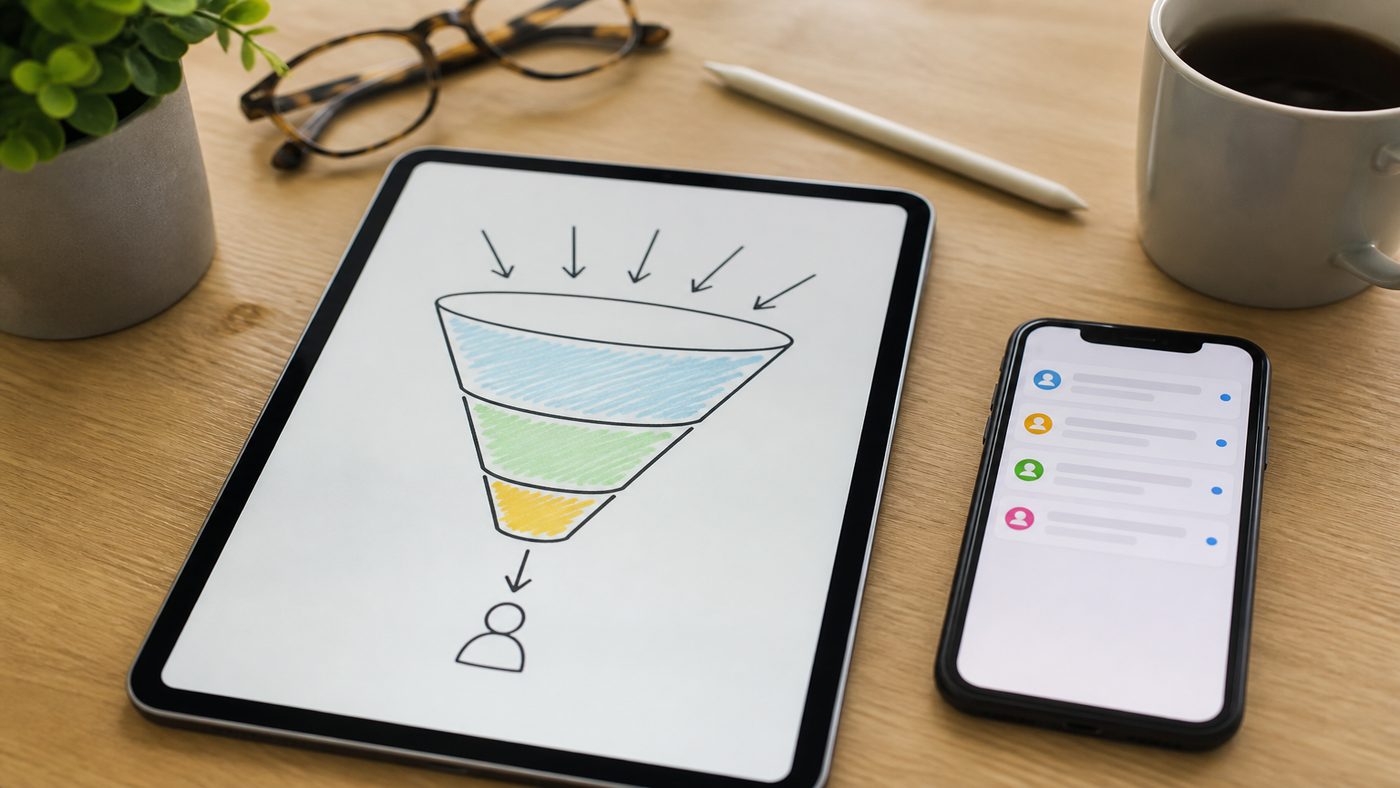
More online leads start with funnel clarity. Define stages: awareness, interest, consideration, intent, conversion. Each stage needs content, tracking, and handoff rules. A visitor who reads your pricing page behaves differently from one who downloads a checklist - tag them accordingly in CRM. Without stage definitions, sales and marketing argue from different maps.
Identify leakage points. High traffic but few form fills suggests offer or page problems. Many form fills but few qualified conversations suggests targeting or follow-up failure. Fix the biggest hole first. Founders often buy more traffic into a broken bucket. How to get more leads online is often how to stop losing the ones you already attract.
Document service-level agreements between marketing and sales. Marketing delivers minimum lead quality criteria; sales contacts within agreed hours. Broken SLAs destroy ROI silently. Review monthly with real examples, not abstractions. Alignment multiplies channel performance.
Offers That Pull Intent Instead of Begging Attention
Lead magnets should solve a narrow painful problem for your ideal client. Generic ebooks gather dust. Strong offers include calculators, audits, templates, comparison guides, or short video teardowns. Gate lightly - name, email, company - on first touch; ask more after value delivered. Friction should match commitment level.
Urgency and scarcity work when authentic. Fake countdown timers erode trust. Real capacity limits - only five onboarding slots this month - communicate honestly. Pair offers with proof specific to the audience segment. Executive travel brands show airport reliability stats; ecommerce brands show margin-friendly ad examples.
Digital Marketing for Small Business · Digital Marketing Services · Digital Marketing · Marketing Analysis
Test headlines with paid micro-campaigns before rebuilding entire sites. Spend modestly to learn which promise pulls clicks and form starts. Scale organic and landing page investment around winners. Brand Orbit Hub builds lead offers tied to downstream booking behavior, not download vanity. Muhammad Umair Riaz emphasizes offers that start conversations sales can close.


Follow-Up Speed and Persistence
Speed-to-lead remains the highest ROI lever for many businesses. Contacting within five minutes dramatically beats waiting until tomorrow. Automate instant acknowledgment emails and SMS where appropriate; human call or personalized email follows for high-value segments. Your CRM should task owners immediately with SLA timers visible.
Persistence without annoyance means structured sequences. Day zero acknowledgment, day one value-add, day three case study, day seven direct ask, day fourteen breakup email. Stop when they reply or unsubscribe. Virtual assistants excel at executing sequences you approve. Founders lose deals by stopping after one attempt while competitors send three thoughtful touches.
Measure contact rate, conversation rate, and opportunity creation per hundred leads. Improve scripts based on objections logged consistently. How to get more leads online includes how you treat leads after they raise their hand. Follow-up is where mediocre funnels beat pretty ones.
Paid, Organic, and Partner Channels Compared
Paid search captures high intent now; SEO builds intent over months. Social ads excel at creative testing and remarketing. Partnerships - referrals, affiliates, complementary vendors - deliver warm leads with built-in trust. Choose mix based on margin and sales cycle length. High-ticket services tolerate higher cost per lead; low-margin ecommerce needs efficiency fast.
Organic content supports all paid efforts by giving remarketing audiences something substantive. Publish answer posts for questions prospects ask sales repeatedly. Turn sales calls into anonymized FAQ articles. Compound content reduces reliance on rising ad costs.
Track blended cost per qualified lead across channels monthly. Shift budget toward channels producing revenue, not just form fills. Brand Orbit Hub reports connect ad platforms to CRM outcomes so founders see truth. More leads online come from smarter allocation, not always more spend.
Landing Page and Form Optimization
Reduce form fields to essentials on first conversion. Add progressive profiling later. Use multi-step forms for longer qualifiers only if completion data proves uplift. Above the fold: headline, subhead, proof, CTA. Everything else supports, not competes.
Page speed affects lead volume measurably. Compress images, defer non-critical scripts, use reliable hosting. Mobile thumb zones place CTAs where they are reachable. Test click-to-call for local services. Technical basics are marketing basics in 2026.
Run monthly CRO reviews: heatmaps, session recordings, form abandonment. Small copy changes - clearer button text, risk reversal near submit - often beat full redesigns. Brand Orbit Hub's team pairs web and marketing lanes so landing tests ship quickly. Getting more leads online is iterative engineering, not one launch day.
Systems, Measurement, and Working With Brand Orbit Hub
Sustainable results around how to get more leads online depend on systems: documented SOPs, named owners, weekly KPI reviews, and tooling that gives everyone the same source of truth. Founders often underestimate how much repetition lives inside digital marketing work - inbox rules, campaign checklists, product page updates, CRM stages, and reporting cadences. When those rhythms live only in your head, growth creates chaos instead of capacity.
Start with a simple operating sheet: top five metrics (leading and lagging), tools used, update frequency, and escalation rules. Review it every Monday for fifteen minutes. Adjust before small drifts become client-visible failures. If a metric cannot be explained to a new team member in two minutes, redefine it until it can be. Measurement is not bureaucracy; it is how you protect margin and reputation while scaling.
Brand Orbit Hub integrates digital marketing with adjacent lanes - websites built to convert, campaigns tied to pipeline, ecommerce ops, and virtual assistant follow-up - under leadership from Muhammad Umair Riaz and delivery standards from the Brand Orbit Hub team. Clients book a free weekday strategy meeting; we prep for your lane before the call and leave you with a clear next step, not a generic pitch deck. Explore related reading: How to Hire a Virtual Assistant: A Founder's Complete Guide Virtual Assistant Services for Small Business: What to Outsource First.
Book a free strategy meeting
Tell us where you are stuck - acquisition, conversion, delivery, or ops. We will map practical next steps for digital marketing and cross-lane support if you need it. Explore our Digital Marketing service, or book a free strategy meeting. Related reading is linked above. Explore Digital Marketing, how it works, client results, and the full blog.
Book free meetingOperational maturity shows up in small behaviors: agendas sent before calls, CRM notes logged the same day, campaigns launched with tracking verified, and issues escalated with context instead of panic. Founders who treat these as optional decorate their business with tactics that cannot stick. Build the boring backbone first; creative tests become meaningful once the backbone holds weight.
Quarterly retrospectives keep strategy honest. Ask what produced revenue, what consumed time, and what should stop. Archive initiatives that failed kill criteria. Promote playbooks that survived contact with real customers. Growth teams that skip retrospectives repeat expensive quarters. Document decisions so future you - or future hires - inherit wisdom, not amnesia.
Security and access hygiene matter as soon as contractors touch inboxes, ad accounts, or storefronts. Use role-based permissions, password managers, and offboarding checklists. Review vendor access monthly. A single compromised login can erase months of SEO or ad history. Brand Orbit Hub clients receive lane-appropriate access guidance during onboarding because trust is part of delivery.
Client experience is the ultimate scoreboard. Fast replies, accurate expectations, and proactive updates turn buyers into referrers. Measure response times and satisfaction informally at first - quick post-project emails - then formally as volume grows. Marketing brings promises; operations keeps them. Align both and online growth feels coherent instead of fragile.
Operational maturity shows up in small behaviors: agendas sent before calls, CRM notes logged the same day, campaigns launched with tracking verified, and issues escalated with context instead of panic. Founders who treat these as optional decorate their business with tactics that cannot stick. Build the boring backbone first; creative tests become meaningful once the backbone holds weight.
Quarterly retrospectives keep strategy honest. Ask what produced revenue, what consumed time, and what should stop. Archive initiatives that failed kill criteria. Promote playbooks that survived contact with real customers. Growth teams that skip retrospectives repeat expensive quarters. Document decisions so future you - or future hires - inherit wisdom, not amnesia.
Security and access hygiene matter as soon as contractors touch inboxes, ad accounts, or storefronts. Use role-based permissions, password managers, and offboarding checklists. Review vendor access monthly. A single compromised login can erase months of SEO or ad history. Brand Orbit Hub clients receive lane-appropriate access guidance during onboarding because trust is part of delivery.