
If you searched for ecommerce united states 2026, you are evaluating where e-commerce stands right now — platform choices, ad costs, logistics, and the operational gaps that kill margin. This guide maps present-day market conditions and a practical playbook to excel, written for founders who need revenue outcomes, not trend-chasing.
E-Commerce in the United States (2026): Market Conditions and How to Excel on Every Major Platform is a living system: catalog quality, conversion, fulfillment, retention, and measurement. Whether you sell on marketplaces, Shopify, or social commerce, the frameworks here prioritize contribution margin, repeat purchase rate, and ops that survive a good week of ads.
Brand Orbit Hub builds and scales e-commerce for brands in the US, UK, Australia, Gulf, and Pakistan — Shopify development, Amazon growth, paid media, listing optimization, and VA-backed ops under Muhammad Umair Riaz (founder) and Laiba Ali (co-founder). Use this as a decision map; book a strategy call when you want hands-on execution.
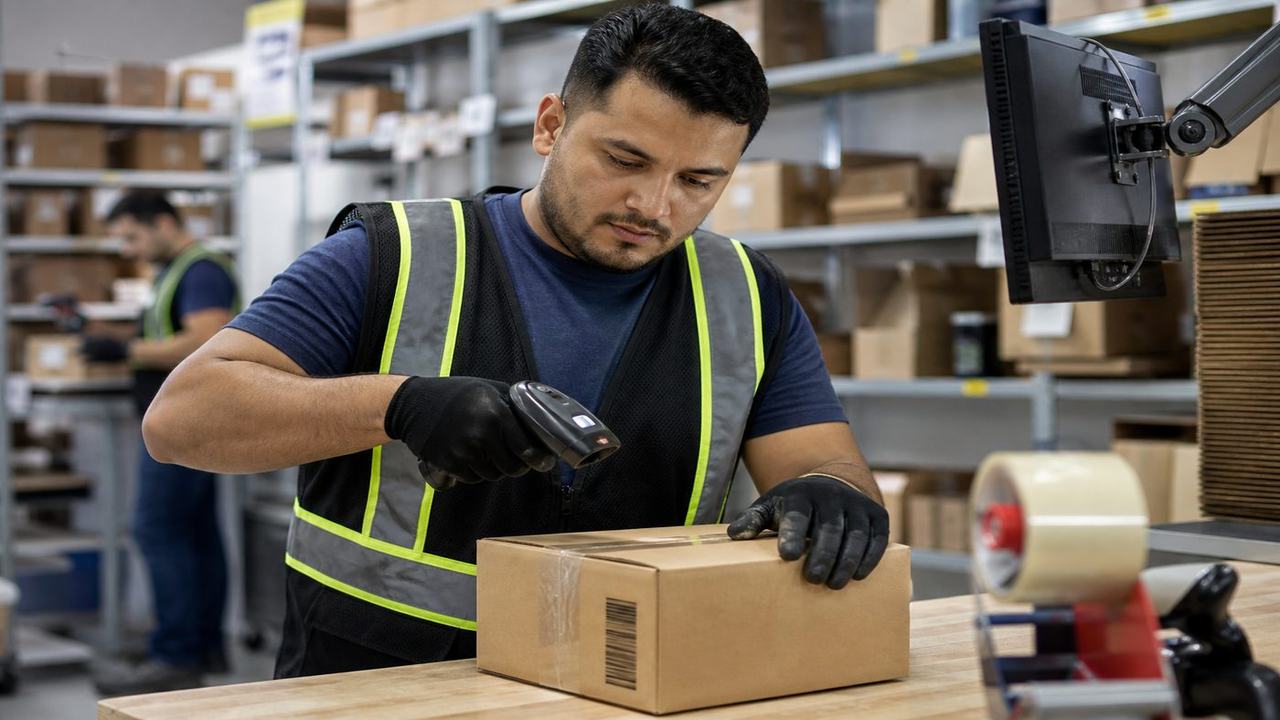

United States E-Commerce Landscape in 2026
The US remains the world's largest e-commerce market by revenue, but 2025–2026 conditions are harder than the post-pandemic boom years. Customer acquisition costs on Meta and Google stayed elevated; TikTok Shop expanded as a checkout layer; Amazon continued tightening inventory and authenticity enforcement; and DTC brands faced pressure from tariffs discourse, freight volatility, and picky shoppers trained by fast shipping norms.
Winning brands treat e-commerce as an integrated stack — storefront or marketplace presence, listings, paid media, email/SMS retention, reviews, and fulfillment — not a single-channel bet. Present-day buyers compare prices on Amazon, discover on social, and expect transparent shipping and return policies before they trust a new label.
For founders entering the US or scaling from Pakistan, the UK, or the Gulf, success starts with picking the right primary channel for your category, modeling contribution margin after fees and returns, and building ops that do not collapse when ads work. This guide maps platforms and execution priorities so you can convert traffic into repeat customers, not one-off discount hunters.
Amazon US: FBA, FBM, and Brand Registry
Amazon.com is still the default search engine for product discovery in the United States. Fulfillment by Amazon (FBA) buys Prime eligibility and Buy Box competitiveness; Fulfilled by Merchant (FBM) suits custom lead times or oversized goods but demands ruthless shipping metrics. Most scaling brands use hybrid models — hero SKUs on FBA, long-tail on FBM or 3PL.
Brand Registry protects listings from hijackers, unlocks A+ Content and Brand Analytics, and is essential before you invest heavily in PPC. Listing quality drives conversion: keyword-rich titles without stuffing, bullet benefits not specs alone, comparison charts, lifestyle imagery, and video where category allows. Inventory planning matters as much as ads — stockouts destroy organic rank; overstock erodes margin in storage fees.
Amazon PPC (Sponsored Products, Brands, Display) should tie to search term harvesting weekly. Negate bleeding keywords, push winners to exact match, and separate campaigns by intent. External traffic programs and attribution tags help when driving influencers or email to Amazon. Brand Orbit Hub manages Amazon growth for US clients across supplements, pet, home, and consumer goods — listing rebuilds, review strategy, and ad structure aligned to TACoS targets you set with finance, not guesswork.
Shopify and Direct-to-Consumer in the United States
Shopify powers a large share of independent US brands because checkout, apps, and theme flexibility ship fast. In 2026, Shopify Payments, Shop Pay installments, and Markets simplify multi-state selling, but you still own compliance, CRO, and traffic. A pretty theme without offer clarity, speed, and trust badges converts poorly no matter how much you spend on ads.
DTC excellence means merchandising: collection logic, bundles, subscription where repeat makes sense, and post-purchase upsells that feel helpful. Site speed under three seconds on mobile, accessible UX, and clear size or spec tables reduce returns. Email and SMS flows — welcome, abandoned cart, post-purchase, win-back — often deliver the highest ROI once traffic exists.
Shopify syncs well with Meta CAPI, Google Merchant Center, TikTok pixel, and Klaviyo. Founders from abroad use Shopify for US DTC while keeping production or support in home markets — document shipping times honestly on PDPs to protect reviews. Brand Orbit Hub builds Shopify stores end-to-end: design, catalog import, app stack, analytics, and launch campaigns tied to measurable MER targets.
Walmart Marketplace, eBay, and Etsy
Walmart Marketplace is the fastest-growing US marketplace for approved sellers in home, apparel, and hardlines. Approval requires proven e-commerce history; listings must meet Walmart's content standards and competitive pricing rules. For brands already stable on Amazon, Walmart adds incremental reach with different fee structures and WFS (Walmart Fulfillment Services) as an FBA analog.
eBay remains strong for refurbished, collectible, auto parts, and secondary-market inventory. Best Offer, promoted listings, and seasonal campaigns still move volume for the right SKUs. Etsy dominates handmade, vintage, and craft supplies — not every brand fits, but US makers scaling personalized goods rely on Etsy search and off-Etsy ads.
Multi-marketplace strategy should be sequential: master one channel until unit economics clear, then clone listing assets and adjust policies per platform. Each marketplace has return rules, fee calculators, and ad interfaces that ops must track weekly. Spreadsheet visibility across channels prevents overselling inventory shared from one warehouse.
WooCommerce, BigCommerce, and Headless Options
WooCommerce suits WordPress-native brands that want ownership and plugin flexibility — common among US content publishers and niche B2B catalogs moving to retail. BigCommerce appeals to mid-market brands needing built-in multi-channel connectors without Shopify's app dependency. Headless stacks (Commerce + custom front-end) appear at enterprise scale when merchandising and content are deeply custom.
Open-source and headless raise dev burden: security patches, hosting, payment PCI scope, and performance tuning land on your team. Choose WooCommerce or headless when you have ongoing dev capacity or an agency retainer — not because 'free software' sounds cheaper than Shopify's subscription.
Migration between platforms is expensive; pick based on three-year roadmap. If Amazon is 70% of revenue, invest in listing ops before replatforming Shopify. If organic SEO drives half your traffic, WordPress + WooCommerce may justify the tradeoff. Brand Orbit Hub advises platform selection against your channel mix, not ideology.
Payments, US Sales Tax, and Compliance
US shoppers expect credit card, Apple Pay, Google Pay, PayPal, and increasingly Shop Pay or BNPL at checkout. Stripe and PayPal dominate Shopify; marketplaces handle payments on-platform. Sales tax nexus post-Wayfair means most brands need automated tax engines (TaxJar, Avalara, Shopify Tax) once you ship to multiple states.
FTC rules on reviews, endorsements, and 'made in USA' claims tightened — fake review schemes draw fines. CAN-SPAM and TCPA govern email/SMS; opt-in and unsubscribe must be clean. California Prop 65, CPSIA for children's products, and FDA language for supplements require category-specific legal review before scaling ads.
Privacy policies, terms of service, and clear refund windows reduce chargebacks. Document lot numbers and COAs for ingestibles. Compliance is not glamorous but protects ad accounts and marketplace access when you scale past six figures monthly.
Paid Acquisition: Meta, Google, and TikTok Shop
Meta Ads still drive volume for prospecting in fashion, beauty, home, and impulse categories — if creative refreshes weekly and CAPI tracking is solid. Advantage+ shopping campaigns work when catalog feeds are clean and margin supports broad prospecting. Google Search and Shopping capture high intent; Performance Max needs brand search separation so you do not pay for your own name.
TikTok Shop and shoppable video changed US discovery for viral SKUs under $80. Spark Ads amplify creator content; organic hooks matter more than polished studio shoots for many categories. YouTube Shopping and affiliate integrations add mid-funnel touchpoints for considered purchases.
Measure MER (total revenue / total ad spend) weekly alongside platform ROAS. iOS signal loss means platform-reported ROAS often overstates reality. Scale when contribution margin after returns stays positive for each cohort — not when a single campaign screenshot looks good in Slack.
Logistics, Returns, and US Customer Experience
US buyers expect 2–5 day delivery for mainstream categories; Prime trained the market. 3PL networks (ShipBob, Deliverr-style consolidators, regional warehouses) help DTC brands compete without owning warehouses coast-to-coast. Returns rates in apparel often exceed 20% — size guides, fit photos, and honest copy save margin.
Customer service SLAs under 12 hours on email and chat reduce negative reviews and chargebacks. Self-service tracking pages and proactive delay emails build trust during peak (Q4, Prime Day, BFCM). Packaging inserts with QR codes to support or reorder lift LTV cheaply.
Ops dashboards should flag orders at risk, low inventory, and review velocity daily. Laiba Ali's delivery philosophy at Brand Orbit Hub treats post-purchase comms as marketing — because in the US, one public one-star review can cost more than a week of ad spend.
How to Excel: Unit Economics, Retention, and Team Design
Excel at US e-commerce by knowing your numbers cold: COGS, inbound freight, fulfillment fee, payment fee, ad spend, return reserve, and fixed ops — per SKU and blended. Kill SKUs that look revenue-positive but lose after returns. Raise AOV with bundles instead of racing to the bottom on price.
Retention beats acquisition in 2026. Email/SMS, loyalty points, subscriptions, and second-purchase incentives within 60 days define LTV. Cohort reports by acquisition source show which Meta ad sets produce repeat buyers vs one-time discount chasers.
Team design: founder on product and partnerships; specialist on ads; VA or agency on catalog updates and ticket triage; 3PL on pick-pack. Brand Orbit Hub slots into ads, Shopify, Amazon, and VA lanes so US-bound brands from any country run one operating rhythm instead of five freelancers who do not talk.
US Platform Comparison at a Glance
Use this lens when choosing where to start: Amazon for search-led physical goods with FBA capacity; Shopify for brand-led DTC and data ownership; Walmart for incremental marketplace reach after Amazon stability; eBay for secondary or unique inventory; Etsy for craft/vintage; WooCommerce when SEO content and store are one WordPress property.
Most exporters to the US combine Amazon + Shopify — Amazon for volume, Shopify for margin-rich bundles and email list ownership. TikTok Shop suits viral SKUs with short purchase cycles. Avoid launching on four platforms simultaneously unless ops and cash can absorb four sets of fees and policies.
Book a Brand Orbit Hub strategy meeting with your target category, origin country, and monthly budget. Muhammad Umair Riaz's team maps a 90-day US launch or scale plan with platform order, listing priorities, and ad tests — so you convert readers of this guide into a storefront that actually ships profitably.
Work With Brand Orbit Hub on E-Commerce Growth
Sustainable e-commerce growth depends on documented SOPs, weekly KPI reviews, and teams that can execute catalog updates, ads, and customer comms without chaos. Founders underestimate how much repetition lives in listing refreshes, inventory alerts, review responses, and campaign QA — when those rhythms live only in your head, scaling ads amplifies mistakes instead of revenue.
Brand Orbit Hub integrates storefront builds, marketplace listings, Meta and Google Ads, email retention, and virtual assistant ops under one accountable relationship. We prep for your market and platform mix before strategy calls and leave you with prioritized next steps — not a generic pitch deck.
Book a free e-commerce strategy meeting
Share your target market, platforms, and current blockers. We will map practical next steps for launch, optimization, or cross-border expansion.
Book free meeting →Related guides: United States · UK & Australia · Gulf markets · Pakistan · E-commerce marketing strategies.